Review on Probiotics as Wound Healers: Mechanisms of Action and Clinical Outcomes
DOI:
https://doi.org/10.5530/ctbp.2025.4s.26Keywords:
Probiotics, skin wound, adhesion, encapsulation, wound healingAbstract
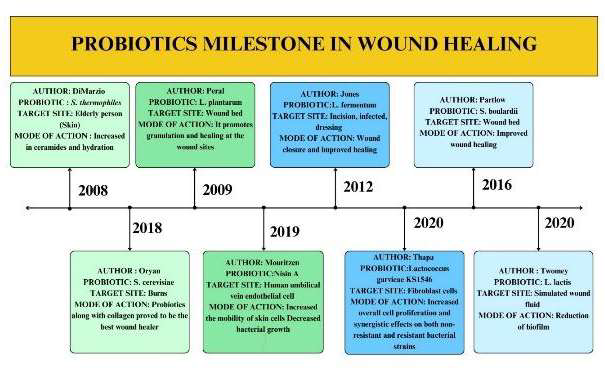
A wound is an injury to living tissue that can vary in severity from minor scratches and abrasions to deep lacerations, and punctures. They often require medical attention to prevent infection and promote healing. Conventional approaches to wound care frequently utilize antiseptics and antibiotics, which may occasionally impede the healing process and lead to antibiotic resistance. Recent research has explored alternative treatments, with probiotics emerging as a promising option due to their beneficial effects on wound healing. Recent research indicates that certain probiotic strains can enhance wound healing through multiple mechanisms. Studies have shown promising results in both in vitro and in vivo models, demonstrating accelerated wound closure rates and improved healing outcomes. Applying probiotics in wound care could offer a novel, cost-effective approach to treatment, potentially reducing the use of antibiotics and addressing challenges posed by antibioticresistant bacteria. This review examines the potential role of probiotics in wound healing, focusing on the mechanisms through which they exert their effects, their clinical applications, and the current evidence supporting their use. It examines how probiotics can influence the wound healing process through modulation of the immune system, production of antimicrobial substances, and enhancement of epithelial barrier function.