Computational and Invitro Evaluation of Aerial Part Extracts of Barringtonia acutangula in Preventing Postprandial Hyperglycemia
DOI:
https://doi.org/10.5530/ctbp.2026.1.2Keywords:
phytoconstituents, total content, docking studies, nvitro hypoglycaemic estimationAbstract
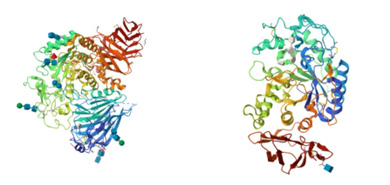
Polyphenols have the potential for therapeutic properties that may alleviate diabetes and exhibit inhibitory effects on certain pancreatic enzymes. The study aimed to screen the hypoglycemic effects of Barringtonia acutangula aerial part extracts. Cold maceration was used to extract coarsely powdered aerial parts with seven different solvents, which were studied. Quantitative estimation of aerial part extracts was done to determine the total flavonoid, phenolic, and alkaloid content. Further in silico and in vitro studies were carried out to assess the inhibitory action of B.acutangula on alpha-amylase and alpha-glucosidase pancreatic enzymes. The hexahydroxy flavone Gossypetin showed a good docking score. The highest total flavonoid (31.543±0.175mg Quercetin/gm extract) and phenolic content (19.127±0.311mg gallic acid/gm extract) were observed in the methanolic extract, and the chloroform extract showed the highest alkaloid content (23.570±0.090) when compared with a standard solution of Atropine. The phytochemical constituents satisfied drug-likeness properties, and the compound gossypetin showed the highest binding affinity of -7.197 and -7.420 kcal/mol with the active site of target proteins alpha-amylase (2QV4) and alpha-glucosidase (5NN8). The ethanolic extract showed a significant % inhibitory response of alpha-amylase and alpha-glucosidase of 80.955±0.023 and 73.250±0.033, respectively. The results indicate that polyphenols in the aerial extracts of B. acutangula play a significant role, and gossypetin can be a potential candidate in preventing postprandial hyperglycemia in diabetes patients.