Nanosponge Formulation for the Encapsulation of Molnupiravir: Evaluation of Sustainable Oral Capsule Delivery
DOI:
https://doi.org/10.5530/ctbp.2026.2s.10Keywords:
Nanosponges, Molnupiravir, Controlled release, Capsule deliveryAbstract
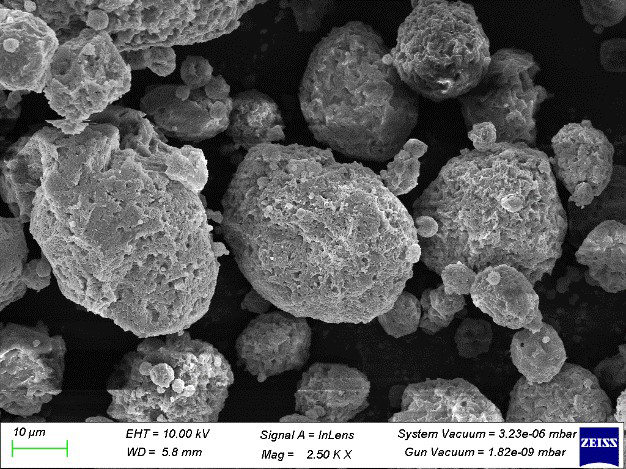
The current study was aim to formulate Molnupiravir nanosponges (MLVNSPs) for a capsule system for controlled drug delivery. MLV-NSPwas fabricated using the emulsion solvent evaporation technique, employing β-cyclodextrin andethyl cellulose aspolymers.Dichloromethane was utilized as a cross-linking agent, and these NSPswere encapsulated within hard gelatine (formaldehyde-treated) capsules. The prepared NSPs were evaluated for physicochemical and morphological characteristics. Out of six NSPs formulations, the optimized NSPs were formulated into a capsule delivery system and further evaluated for drug release pattern.The FTIR demonstrated that there was no potential incompatibility existed among drug and other components. The % ofyield, encapsulation efficiency values are found to be 76.41 to 85.22 % and 69.87 to 77.48 %, respectively for F1-F6 formulations, F5 shows the highest entrapment efficiency of 77.48% with 3-fold enhanced solubilization incomparison with the unprocessed drug. The SEM images of the optimized formulation indicated that the NSPs had a spherical shape, featured a porous surface, and possessed a uniform and spongy texture. The optimised MLV-NSPs (F5) showed a narrow particle size distribution (PDI 0.201 ± 0.04) and a surface charge potential of –38.6 ± 2.1 mV, suggesting uniformity, colloidal integrity, and reproducibility. To enhance mucosal adhesion, prolong residence time, and to avoid dose-dependent side effects, F5 was loaded in treated capsule shells to extend the drug release up to 12 h. A total 8 formulations (S1-S8) were developed for the capsule delivery system. S2 showed 96.15% of medicament released by the 12th h. The dissolution profile of MLV from the optimised capsules (S2) followed a zero-order kinetic model (R² = 0.9945), exhibiting non-Fickian diffusion (n = 0.678), suggesting a sustained release that is controlled by both diffusion and polymer degradation.